
International Aid Sent to Regions Hit by Natural Disasters
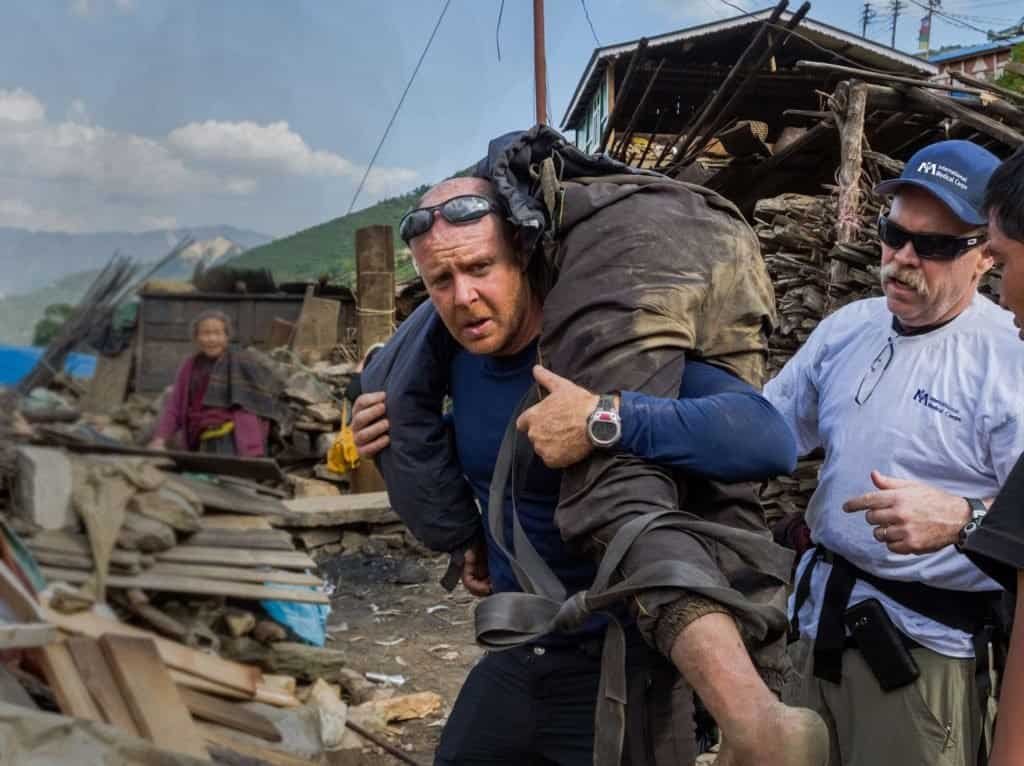
International aid has been mobilized and sent to several regions severely affected by recent natural disasters, as governments and humanitarian organizations respond to urgent needs on the ground. Powerful storms, floods, earthquakes, and wildfires have caused widespread damage, displacing thousands of people and destroying homes, infrastructure, and livelihoods.
According to international relief agencies, emergency supplies including food, clean water, medical equipment, and temporary shelters are being delivered to the hardest-hit areas. Search and rescue teams have also been deployed to assist local authorities in locating survivors and providing immediate care. Officials emphasized that rapid response is crucial in the early stages of a disaster to prevent further loss of life.
The United Nations and other global organizations are coordinating efforts to ensure that aid reaches vulnerable populations. Special attention is being given to children, the elderly, and people with disabilities, who are often the most at risk during humanitarian crises. Health experts have warned of potential disease outbreaks due to damaged sanitation systems and limited access to clean water.
Several countries have pledged financial assistance and logistical support, including air transport and field hospitals. Non-governmental organizations are working alongside local communities to assess damage and identify long-term recovery needs. In many cases, rebuilding efforts will focus not only on restoring infrastructure but also on increasing resilience to future disasters.
Climate experts note that the frequency and intensity of natural disasters are increasing, placing greater strain on emergency response systems worldwide. They argue that stronger international cooperation and investment in disaster preparedness are essential to reduce future risks and protect vulnerable regions.
Despite the scale of the challenges, humanitarian workers on the ground report strong cooperation and solidarity among affected communities. Local volunteers are playing a key role in distributing aid and supporting recovery efforts.
As relief operations continue, international organizations are calling for sustained support beyond the initial emergency phase. They stress that long-term recovery, including rebuilding homes, schools, and healthcare facilities, will require ongoing funding and global commitment. The coordinated response highlights the importance of international aid in helping regions recover and rebuild after devastating natural disasters.

