
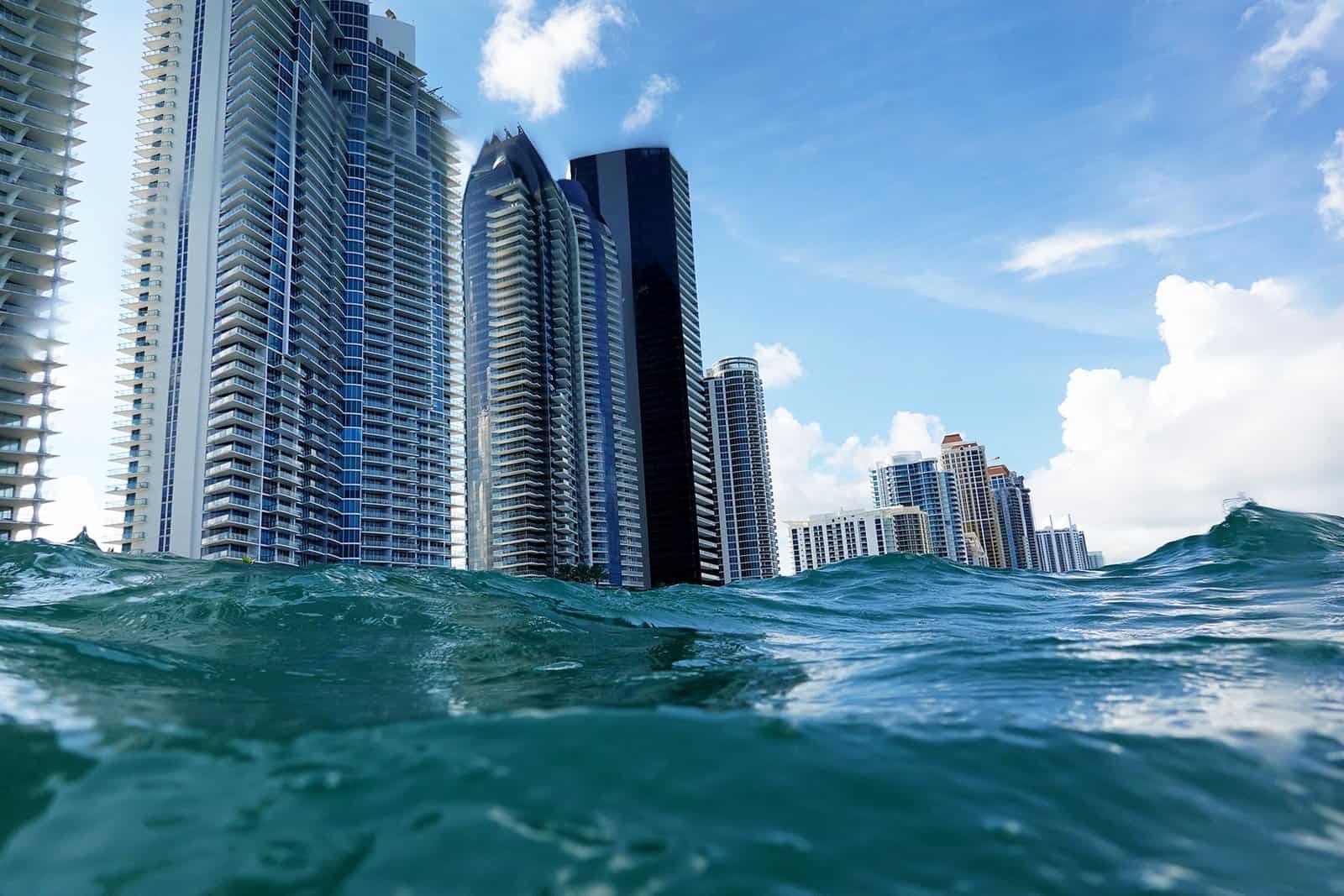
Scientists Warn of Rising Sea Levels Worldwide
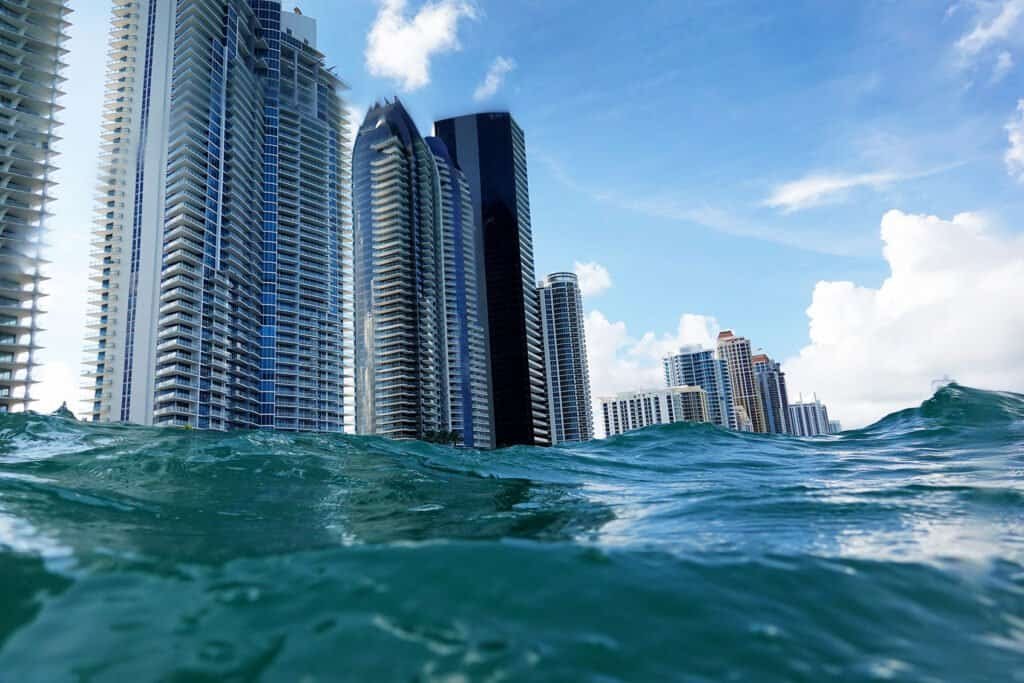
Scientists have issued a renewed warning about rising sea levels, stating that the phenomenon poses a growing threat to coastal communities around the world. New research based on satellite data and long-term climate observations shows that sea levels are rising faster than previously expected, largely due to melting glaciers and the warming of ocean waters.
According to climate experts, higher sea levels increase the risk of flooding, erosion, and saltwater intrusion into freshwater sources. Low-lying coastal areas and small island nations are among the most vulnerable, with millions of people facing potential displacement in the coming decades. Major coastal cities are also at risk, as existing infrastructure may not be prepared for more frequent storm surges.
Scientists emphasize that climate change is the main driver behind this trend. As global temperatures rise, polar ice sheets and mountain glaciers continue to melt, adding more water to the oceans. At the same time, warmer water expands, further contributing to sea-level rise.
Researchers are calling on governments to take urgent action by reducing greenhouse gas emissions and investing in coastal protection measures. These include sea walls, improved drainage systems, and nature-based solutions such as restoring wetlands and mangroves. Experts warn that delaying action will increase both human and economic costs.
Despite the challenges, scientists stress that strong international cooperation and rapid climate action could slow the pace of sea-level rise. They urge policymakers to rely on scientific evidence when planning for the future and to prioritize the protection of vulnerable populations.
Global Health Organization Issues New Guidelines
A leading global health organization has issued new guidelines aimed at improving public health and strengthening healthcare systems worldwide. The updated recommendations focus on disease prevention, early detection, and better access to essential healthcare services, particularly in low- and middle-income countries.
Health officials explained that the new guidelines are based on recent scientific research and lessons learned from recent global health emergencies. They emphasize the importance of preparedness, strong surveillance systems, and rapid response to emerging health threats. Special attention is given to protecting vulnerable groups, including children, older adults, and people with chronic conditions.
The guidelines also highlight the role of vaccination, public awareness, and international cooperation. Health experts stress that misinformation and unequal access to healthcare remain major challenges that must be addressed through education and policy reforms.
Governments and healthcare providers are encouraged to adapt the recommendations to their national contexts while maintaining global standards. The organization also called for increased investment in healthcare workers, medical infrastructure, and digital health technologies.
Public health experts welcomed the new guidelines, describing them as a timely step toward building more resilient health systems. They noted that global health challenges require coordinated action and shared responsibility.
As countries begin to review and implement the recommendations, the organization emphasized that strong leadership and long-term commitment will be essential. The new guidelines aim to support healthier populations and reduce the impact of future health crises worldwide.

