
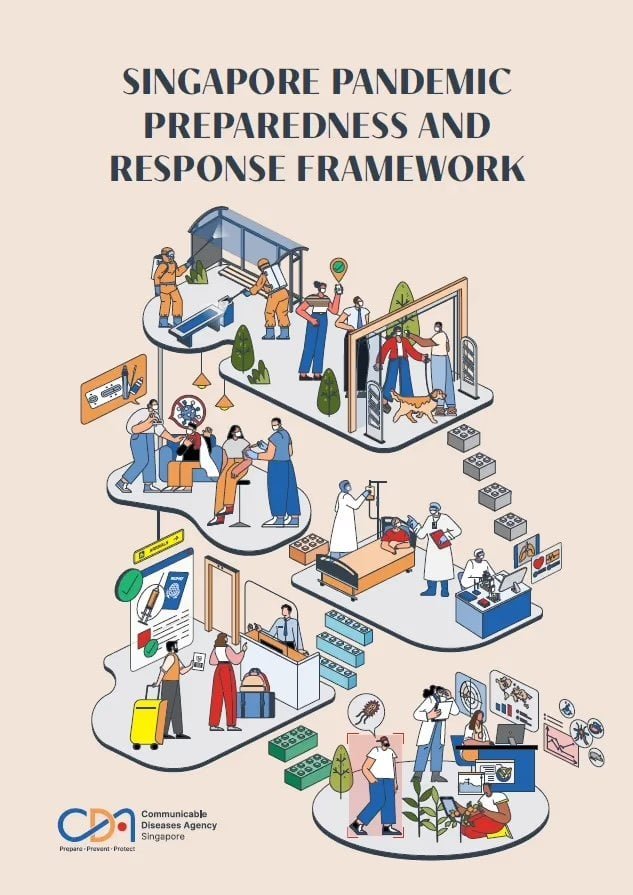
Pandemic Guidelines
Global health authorities have released updated pandemic guidelines aimed at helping countries better prepare for and respond to future public health emergencies. The guidelines are designed to improve coordination, protect vulnerable populations, and reduce the social and economic impact of widespread disease outbreaks.
According to health officials, the new guidelines reflect lessons learned from recent global health crises. They emphasize the importance of early detection, transparent communication, and rapid response when new infectious diseases emerge. Strong surveillance systems and timely data sharing between countries are highlighted as key tools in preventing outbreaks from spreading across borders.
One major focus of the guidelines is public health preparedness. Governments are encouraged to invest in healthcare infrastructure, ensure adequate medical supplies, and support the training and protection of healthcare workers. The document stresses that well-prepared health systems are more resilient and better able to handle sudden increases in patient numbers.
The guidelines also underline the importance of clear and accurate public communication. Health authorities are urged to provide consistent, science-based information to the public in order to reduce fear and misinformation. Building public trust, experts say, is essential for encouraging cooperation with health measures such as testing, vaccination, and temporary restrictions when necessary.
Vaccination remains a central pillar of the new recommendations. The guidelines call for fair and equitable access to vaccines and treatments, particularly for low- and middle-income countries. International cooperation is described as critical to ensuring that no country is left behind during a global health emergency.
In addition, the guidelines address the social and economic effects of pandemics. Governments are encouraged to develop plans that protect jobs, education, and mental well-being while implementing public health measures. Special consideration is given to children, older adults, and people with existing health conditions.
Health experts have welcomed the updated guidelines, noting that pandemics are not only medical challenges but also social ones. They argue that preparedness, solidarity, and long-term planning are essential to reducing future risks.
As countries review and adapt the new pandemic guidelines, global health leaders stress that readiness is an ongoing process. Continued investment, international collaboration, and respect for scientific evidence will be crucial to protecting lives and maintaining stability during future global health threats.

